Evaluating the Christian Knights Embroidery Design for Real Projects
When a new machine embroidery design lands in my library, my first thought isn’t just about the file formats—it’s about how it will live on a finished product. Today, I’m looking at Christian Knights, and I’m approaching it as I would before committing it to a client’s custom sweatshirt or a batch of tote bags for my small shop.
The Immediate Mood and Design Personality
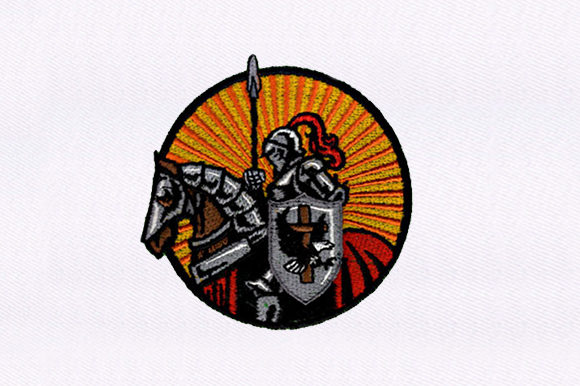
This design immediately evokes a sense of classic, playful valor. The theme sits comfortably in the Toys & Games category, but its application feels broader. The layout suggests a balanced, illustrative style—not overly cartoonish, but with a detail level that promises good stitch definition. For an embroidery designer, the first impression is key: this isn’t a minimalist logo; it’s a narrative piece. It creates a mood of heritage and gentle adventure, which opens doors for personalized gifts and boutique products aimed at storytelling.
Where Christian Knights Naturally Belongs
I picture this design thriving on heirloom-style items. A pillow cover for a nursery, a special blanket, or a decorative apron for a family kitchen. It has the visual personality for a cherished holiday gift, like a Christmas stocking or a keepsake ornament. For an Etsy seller focusing on handmade, narrative-driven products, this design could become a staple. It also feels right for a custom embroidered patch, something a crafter might apply to a backpack or a denim jacket, adding a touch of personalized, vintage-inspired flair.
Performance Across Real-Life Embroidery Projects
Let’s walk through a real scenario. Imagine I’m preparing a limited run of embroidered tote bags for a local craft fair. I want designs that are engaging, stitch cleanly, and add perceived value. Christian Knights comes into consideration.
On a sturdy canvas tote, the design’s details would need to hold up. The provided range of embroidery file formats—including PES, DST, and JEF—means compatibility with most home and commercial machines is likely, which is crucial for production. But the real test is on the fabric. For apparel decorators considering a sweatshirt or t-shirt, the stitch density and potential fill stitch areas will determine comfort and durability. On baby clothes, the scale becomes important; a smaller version might be needed for a tiny bodysuit, ensuring the design remains clear and soft.
For patches, caps, and curved surfaces like hats, the design’s outline and any potential tiny lettering require scrutiny. A dense satin stitch border might look magnificent, but on a curved cap brim, it could present challenges. This is where practical judgment comes in: the design’s appeal is clear, but its execution depends on the project context.
Enhancing Product Value and Customer Trust
Using a design like this effectively can elevate a handmade product. When a customer sees a clean, well-stitched, thematic design on a kitchen towel or a pillow, it speaks to craftsmanship. For a creative entrepreneur, consistency in output builds brand consistency. Christian Knights, when embroidered with good thread color contrast on appropriate fabric, increases giftability and recognition. It feels professional and engaging, which helps in buyer engagement for online listings like Etsy or in a physical small shop.
Careful Application: Where to Use This Design Mindfully
Not every design is for every surface. With Christian Knights, I would advise caution on a few fronts. Small hoop sizes might compromise detail clarity, so testing at the intended size is non-negotiable. Textured or stretchy fabrics, like some sweaters, could distort the illustrative elements. Thin fabrics might show pull from denser stitch areas.
Dark fabric backgrounds demand a thoughtful thread palette to maintain visual appeal. Likewise, products destined for frequent washing, like baby items or aprons, need a robust stitch structure to endure. The decorative accents within the design should be inspected in a test stitch-out to ensure they don’t become muddy or lost.
Practical Notes for the Working Designer
Before this design goes near a final project, here’s my standard checklist. Test on scrap fabric first, using the same stabilizer you intend for the final product. Review the stitch density by looking at the actual embroidery file in your software. Check thread color contrast—sometimes a design looks great in a digital preview but needs adjustment on light versus dark fabric. Inspect small details and corners; a running stitch detail might need a slight adjustment for clarity.
I often test a design in simple black and white mockups to judge its form independently of color. Confirm the hoop size needed by stitching a sample; the provided formats don’t automatically specify size, so this is a manual but vital step. Finally, always confirm the licensing before selling finished items or using the digital embroidery file in commercial embroidery projects. The design’s suitability for both personal and commercial use should be clear from the source.
The Final Stitch: A Design with Character for Makers
Christian Knights is a design asset with character. It’s not a generic motif; it brings a specific mood and story to an embroidery project. For the maker, the hobbyist, the small business owner, it offers a path to creating distinctive personalized gifts and custom apparel. Its success, however, hinges on that professional, practical approach: understanding its strengths, respecting its limitations on certain fabrics and products, and always putting the quality of the finished product first. When used thoughtfully, it can become a reliable part of a craft business’s offerings, adding a layer of handmade presentation that customers appreciate and remember.