Evaluating a Nativity Scene Embroidery Design for Real Projects
When you download an embroidery file, the excitement is about seeing it come to life in thread. Today, I’m looking at the Christian Nativity Scene with Baby Jesus design, thinking through how it would actually perform on a project for a client or for my own craft business. This isn't just a holiday motif; it’s a design asset with a specific mood and set of practical considerations.
The First Impression: Quiet Reverence in Stitched Form
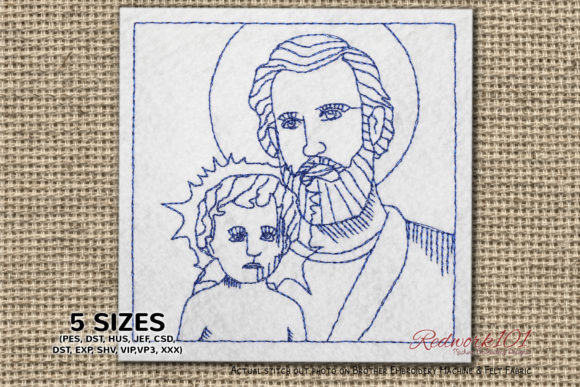
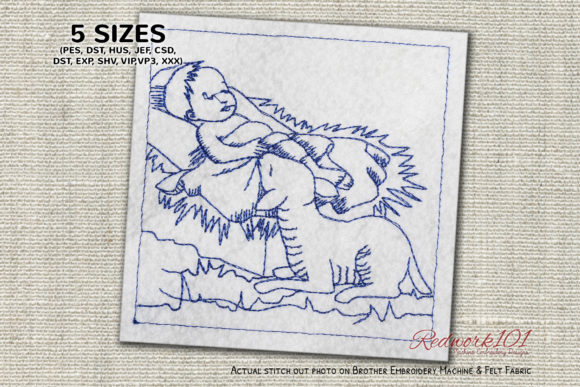
The immediate feeling here is one of peaceful, traditional reverence. The layout focuses on the central figures, creating a classic, recognizable scene. This isn't a busy, overly detailed illustration—it feels like a clear, emblematic representation. That visual personality means it belongs naturally to projects where the theme is the star: a cherished holiday gift, a boutique kitchen towel for a festive home, or a subtle, beautiful addition to a child’s blanket or nursery decor. The mood it creates is gentle and celebratory, perfect for heartfelt handmade products.
Where This Nativity Design Shines in Real Use
Imagine you’re preparing a custom embroidered tote bag for a Christmas market. This design, with its focused composition, would stitch out cleanly on the bag’s canvas, offering good recognition and a professional finish. It would work equally well as a centerpiece on a sweatshirt embroidery project—a gift that feels personal and cozy. For Etsy sellers or small shop owners, it’s a strong candidate for holiday embroidery on aprons, pillow covers, or even as a standalone embroidered patch. The theme has inherent giftability, appealing to customers looking for meaningful, non-commercial holiday items.
In baby embroidery—on a keepsake blanket or a special outfit—the scene’s gentle nature aligns perfectly. It avoids being overly whimsical, instead offering a timeless piece. For apparel decorators, it’s a design that could elevate a simple tea towel or cap into a boutique product. In digital product previews and printable mockups for your shop, its clear shapes would show well, helping with buyer engagement.
Careful Application: When to Proceed with Caution
While the design feels straightforward, a few situations demand extra attention. The product description notes that “The Box Stitch shown in picture is optional. The color of outer Box is different color…”. This is a crucial detail. If there are defined borders or outlines—perhaps via satin stitch or running stitch—their performance on textured or stretchy fabrics needs testing. Small hoop sizes might compress any finer details.
Always test the design on scrap fabric first, especially if you plan to stitch it on dark fabric. Check thread color contrast to ensure the scene’s elements remain distinct. Inspect small details and any potential dense stitch areas; on thin fabrics like certain t-shirts, proper stabilizer is non-negotiable. For curved surfaces like caps, the design’s overall shape should be assessed in a mockup. And for products destined for frequent washing, like kitchen linens, a robust stitch construction is key for longevity.
How This Design Impacts Your Project's Value
Using a well-executed design like this enhances customer trust and your item’s handmade presentation. It stitches with clarity, avoiding visual clutter that can cheapen a product. For a craft business, it contributes to brand consistency if you offer a line of holiday-themed goods—it’s professional and recognizably Christmas without being kitschy. This directly affects visual appeal on your Etsy listings or craft fair table; a clean, beautiful nativity scene communicates quality.
It’s also versatile for commercial embroidery projects. A local church group ordering custom gifts, or a small business wanting holiday staff apparel, would likely appreciate this classic depiction. However, a critical note: always confirm licensing before selling finished items or digital products. The product description provided does not specify terms, so you must verify your rights for commercial use.
Practical Designer Notes Before You Hoop the Fabric
Here’s my mental checklist before I’d run this machine embroidery design for a real project:
- Run a test on a similar fabric to my final product (scrap canvas for a tote, scrap fleece for a sweatshirt).
- Check stitch density in my software preview—does it look balanced for my chosen hoop size?
- Review the optional “Box Stitch” element. Do I want it? How will its color interact with my thread palette and fabric?
- Compare how it looks in both light and dark fabric mockups, even simple black and white tests, to gauge contrast.
- Plan my thread colors carefully. A nativity scene relies on distinct, traditional hues for visual clarity.
- Ensure my stabilizer choice matches the fabric texture and project type.
- Remind myself: this is a seasonal design with strong niche appeal. It fits holiday gifts and decor perfectly, but its use is naturally focused.
Ultimately, the Christian Nativity Scene with Baby Jesus is a design that feels ready for the hoop. Its strength is its classic, uncluttered composition. For embroidery designers and makers building holiday inventory, creating personalized gifts, or tackling a custom client request for a festive item, it presents a reliable, visually appealing option. Just remember to do your due diligence on the technical specs and licensing, so your finished product is as sturdy and professional as the design itself promises to be.