Church Embroidery Design for Connection & Heritage
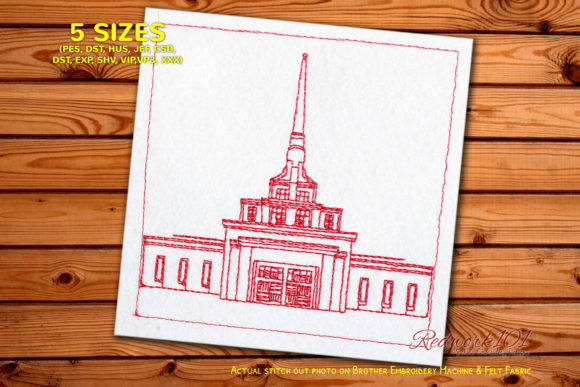
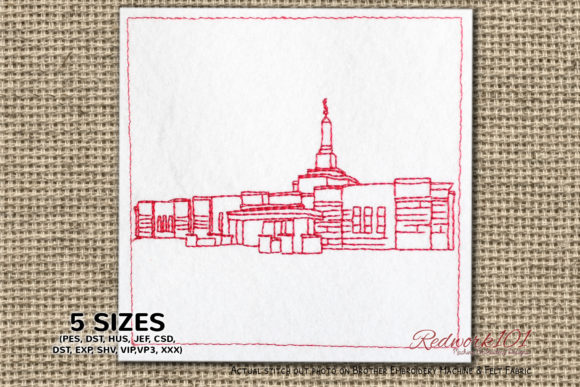
When I first opened the 'Church of Jesus Christ in Aba Nigeria' embroidery file, I was struck by its clear sense of place and purpose. This isn't a generic religious symbol; it’s a specific, grounded design that speaks to community, faith, and cultural identity. The layout feels balanced and architectural, suggesting a real building, which immediately creates a mood of reverence and recognition. For an embroidery designer, this presents a wonderful opportunity: to create products that aren’t just decorative, but deeply personal and meaningful.
The Natural Fit for Real Projects
This design naturally belongs to projects where connection and heritage are central. I picture it stitched onto the front of a canvas tote bag for a church member, becoming a daily emblem of belonging. It would look dignified on a sweatshirt, transforming casual apparel into a statement of faith. For personalized gifts, consider a beautifully embroidered pillow cover for a home, or a kitchen towel for a church event—items that blend utility with sentiment.
As a small business owner or Etsy seller, this design can elevate your offerings. Imagine offering custom embroidered patches featuring this church design. They could be applied to jackets or backpacks, serving as a wearable token for communities. For a boutique focusing on handmade products, this could be a cornerstone design for a line of embroidered aprons or tea towels aimed at a specific audience. The specificity of 'Aba Nigeria' gives it a powerful niche appeal.
Performance on Fabric: A Practical Assessment
In real-life embroidery, the clarity of such a design is paramount. The likely mix of satin stitches for borders and fill stitches for areas of the building should translate well onto most fabrics. For apparel decorators, this would work excellently on stable fabrics like cotton twill for caps or denim for jackets. The design’s inherent structure suggests it would hoop well for a clean finish.
However, careful application is needed in some situations. On very small hoop sizes, some of the finer architectural details might lose definition. On stretchy fabrics like t-shirts, a robust stabilizer is essential to prevent puckering, especially if there are dense stitch areas. Embroidering onto dark fabric backgrounds requires thoughtful thread color selection to ensure the design pops with the intended reverence. On curved surfaces like caps, test placement to ensure the design's vertical elements sit correctly.
Where It Enhances Value & Trust
Using this design correctly elevates your work. Its precise theme increases product value because it meets a specific, often emotional, need. For a customer seeking a gift for someone connected to that church, finding this exact design embroidered onto a high-quality blanket or baby item feels serendipitous and builds immense customer trust. The handmade presentation gains weight; it’s not just a craft, it’s a crafted connection.
For creative entrepreneurs selling digital embroidery files or finished products, this design aids in brand consistency if you cater to a faith-based or heritage-focused market. Its giftability is high, particularly for holidays, weddings, or recognition events. The professional outcome—a clean, recognizable church building—engages buyers by showing you understand the importance of detail and respect for the subject matter.
Essential Designer Notes Before You Stitch
Always test this design on scrap fabric first. This is non-negotiable. Check how the thread colors interact with your final fabric choice—both light and dark backgrounds. Review the stitch density in your machine embroidery software to ensure it’s suitable for your target fabric; a too-dense design on a delicate baby garment could be stiff.
Confirm the hoop size needed for the design's provided dimensions. Inspect the small details, like any lettering or intricate corners, to plan your stabilizer use. Creating black and white mockups can help visualize the design's form separate from color, which is great for assessing its strength as a graphic.
Crucially, understand the license. Before selling finished items like tote bags or sweatshirts, or even the digital embroidery file itself, confirm the terms of use for commercial embroidery. This protects your craft business and ensures your efforts are built on a solid foundation.
A Scenario: Crafting a Boutique Tote Bag
Let’s walk through a real case. I’m preparing a custom embroidered tote bag for a small shop that specializes in heritage products. I hoop a natural canvas bag with strong stabilizer. The 'Church of Jesus Christ in Aba Nigeria' design stitches out—the outer box stitch, noted as optional in the description, is skipped to keep the focus purely on the church building itself. The result is a clean, dignified emblem. On this textural fabric, the stitches settle in beautifully, creating a product that feels both handmade and profound. It’s not just a bag; it’s a story. This is the practical power of a well-chosen, well-executed embroidery design.
Ultimately, this Africa-themed embroidery file is a tool for creating connection. Its success in your project—whether for personal gifts, Etsy listings, or commercial embroidery—depends on your thoughtful application of these practical insights. Match it with the right product, prepare your materials meticulously, and you’ll create a finished product that resonates far beyond the stitches.