The Church of Jesus Christ Embroidery Design Review
Professional Impression and Visual Character
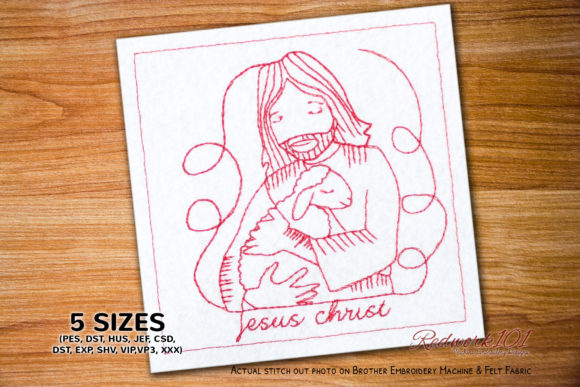
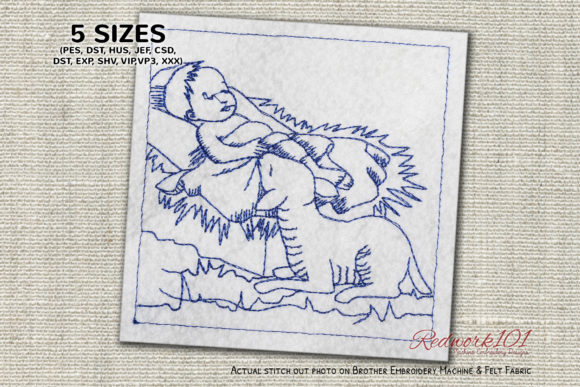
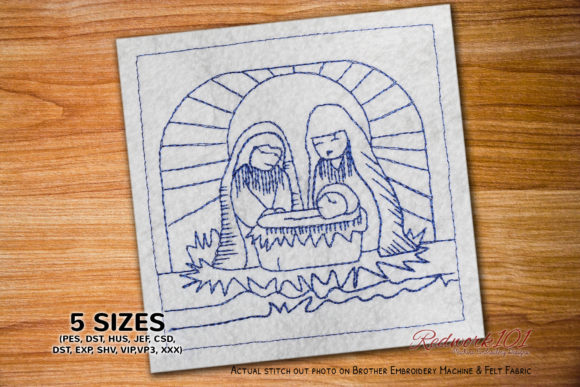
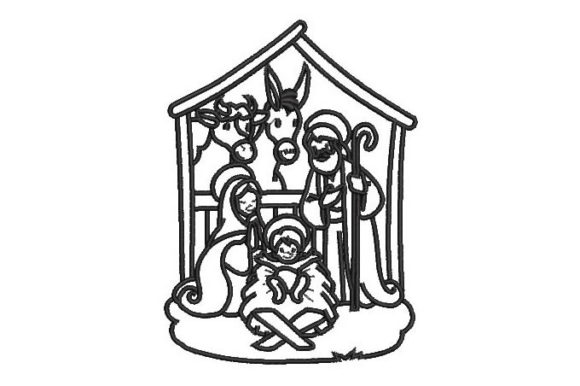
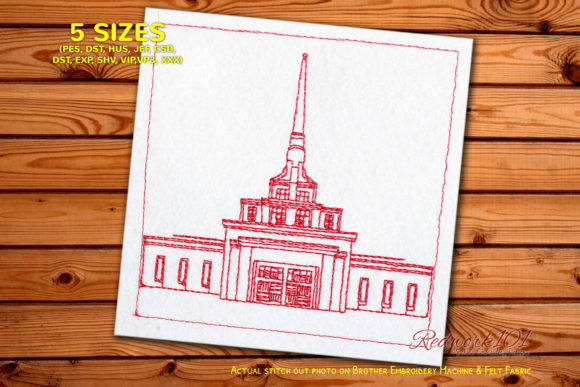
When reviewing The Church of Jesus Christ embroidery design for business use, the immediate impression leans towards classic and elegant. The title suggests a design with inherent gravitas and tradition, which can translate into a brand identity that feels established, trustworthy, and premium. For a small business, especially those in sectors like boutique retail, creative studios, or specialty cafés, this aesthetic can elevate handmade product presentation and enhance customer perception of value and professionalism. The optional box stitch detail mentioned in the description adds a framing element that, depending on its execution, could introduce a subtle decorative or rustic accent, allowing the design to feel both structured and artisan.
Real-World Applications for Small Business Merchandise
This machine embroidery design holds significant potential across a wide range of branded merchandise. For apparel decorators and merch creators, it is a strong candidate for chest logo embroidery on staff uniforms, aprons, or polo shirts, projecting a cohesive team image. As an embroidered patch, it can be applied to tote bags, work shirts, or product packaging as a distinctive label for a handmade shop or bakery. Cap embroidery with this design, placed on the front panel, would create a classic look for event merch or customer gifts. For a florist or pet brand, a smaller version could serve as a subtle sleeve detail or an accent on the corner of an apron, adding a touch of branded elegance without overwhelming the garment.
Specific Use Cases to Consider
- Staff Uniforms & Aprons: Provides a consistent, professional mark on chest or pocket.
- Tote Bag Design: A centrally placed patch elevates a simple bag into branded boutique merchandise.
- Product Packaging Accents: Small patches or directly embroidered labels on fabric packaging.
- Caps & Hats: A focal point for brand recognition at events or as retail items.
- Etsy Branding & Craft Business Assets: Used on photographed products or seller aprons for visual consistency.
Where to Exercise Caution in Production
While The Church of Jesus Christ is versatile, its successful application depends on careful planning. The density and detail implied by the title require attention on smaller items. On very small patch sizes, intricate lettering or outlines may become indistinct if the stitch count is too high. Cap embroidery on curved fronts demands a design that can adapt to the shape without distortion. Using it on textured fabrics or dark uniforms necessitates thoughtful thread color contrast for visibility. For items requiring frequent washing, like work shirts, a robust stitch structure and proper stabilizer are crucial to maintain the design’s integrity over time.
Potential Challenges to Test
- Performance at very small dimensions for subtle accents.
- Legibility of text elements on high-stitch-density areas.
- Adaptation to curved surfaces like cap fronts or sleeve shoulders.
- Color visibility against dark fabric backgrounds.
- Longevity on garments subjected to regular laundering.
Impact on Brand Identity and Customer Engagement
For a small business, an embroidered logo is not just decoration; it’s a brand statement. Using The Church of Jesus Christ as a primary design asset can significantly influence customer trust and recognition. Its classic character suggests stability and authenticity, which resonates with buyers seeking handmade or premium products. On uniforms, it reinforces team professionalism. On merchandise like tote bags, it increases the perceived product value and serves as a wearable advertisement. The visual consistency achieved by using the same embroidery file across aprons, caps, and packaging creates a powerful, cohesive brand image that enhances buyer engagement and loyalty.
Practical Notes from an Embroidery Designer
Before running this digital embroidery file for any commercial embroidery project, follow a disciplined pre-production checklist. Always test the design in black and white first on your chosen fabric to assess contrast and basic form. Create a printable mockup for client approval, showing how it will look on the final product. Crucially, check its performance at the intended size—if using it for a small patch, stitch it out at that exact dimension to ensure clarity. Review the suggested thread colors, especially if the outer box is a different color, and ensure they align with your brand palette. Inspect element spacing to prevent thread buildup.
Confirm the necessary hoop size and use the appropriate stabilizer for the fabric texture—a heavyweight stabilizer for towels or bags, a lighter one for polo shirts. Finally, always stitch a sample on the actual fabric you’ll use in production. Compare the finished sample beside your other design assets to guarantee visual harmony. And as a fundamental step for any business use, verify the commercial licensing terms of the embroidery file before proceeding with production.
Essential Pre-Production Steps
- Test stitch-out in monochrome to evaluate form and density.
- Create and share a mockup with the client for approval.
- Stitch the design at the exact, smallest intended size to check detail preservation.
- Evaluate thread color choices against your brand colors and fabric colors.
- Determine and test with the correct hoop size and stabilizer combination.
- Produce a final sample on the actual production fabric.
- Confirm commercial use rights for the embroidery file.
Final Assessment for Business Use
The Church of Jesus Christ presents itself as a design with strong potential for businesses seeking an elegant, classic brand mark. Its application ranges from impactful uniform logos to subtle product accents, making it a versatile asset for embroidery shops and merch creators. The key to success lies in meticulous testing—particularly regarding scale, fabric, and color—to ensure the finished product meets professional standards. By integrating this design thoughtfully across uniforms, merchandise, and packaging, a small business can build a cohesive and trustworthy brand identity that customers will recognize and value.