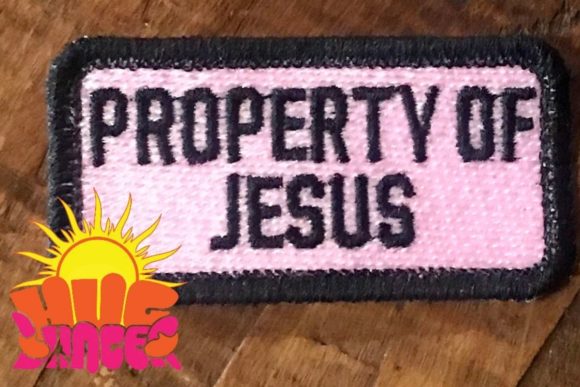
A Professional's Review of the Jesus Patch for Business Merchandise
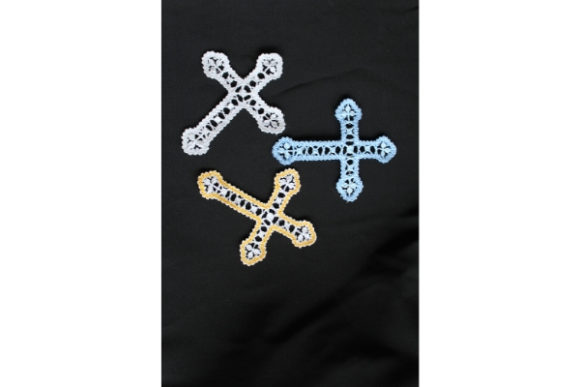
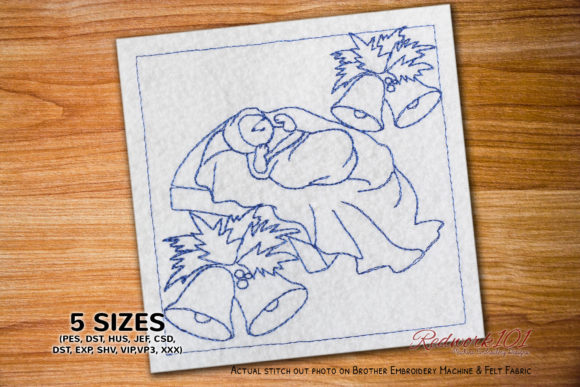
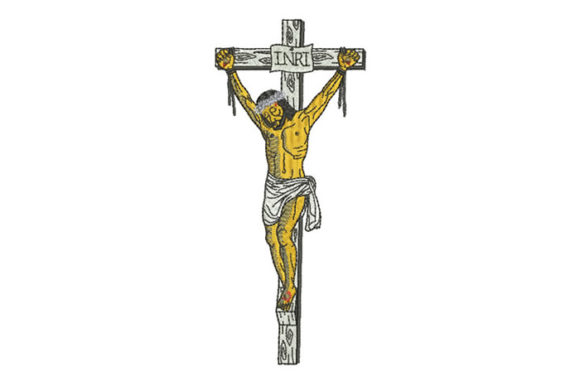
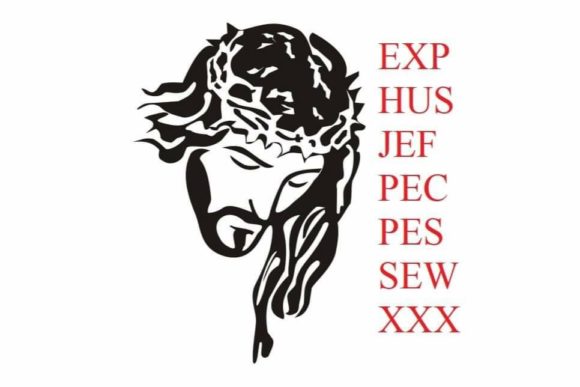
As an embroidery designer who works regularly with small businesses on branded merchandise, my first task is always to evaluate a design for its commercial potential. When considering the Jesus Patch, the product title immediately suggests a design with a clear, classic focus. The description promises ease of use and versatility, which are critical for professional production. The initial impression is of a straightforward, likely clean design that leans toward a classic or handmade aesthetic, rather than overly ornate or modern. This can be a significant advantage for businesses seeking a trustworthy, sincere visual element.
Evaluating the Jesus Patch for Brand Identity and Customer Trust
For a café, boutique, or creative studio operating within the Religion Faith space, this machine embroidery design could serve as a powerful brand identifier. A well-executed embroidered patch on a staff apron or uniform communicates professionalism and commitment. It signals to customers that the business is grounded in clear values, which can foster trust and recognition. The perceived authenticity of a handmade or embroidered logo, compared to a printed one, often increases product value and buyer engagement. Using the Jesus Patch as a consistent design asset across uniforms, tote bags, and product packaging can create strong visual consistency, making your brand instantly recognizable.
Real-World Applications for Small Business Merchandise
Let’s translate this into concrete applications. Imagine a local bakery wanting to add a special touch to its aprons, or a florist looking to brand its delivery tote bags. The Jesus Patch, described as stitching perfectly to any kind of fabric, opens many doors.
- Embroidered Patches: This is likely the most direct use. Creating a standalone patch for customers or as a sleeve detail on staff shirts adds a premium, collectible feel.
- Staff Uniforms & Aprons: As a chest logo or accent on aprons, it reinforces brand identity every time a team member interacts with a client.
- Cap Embroidery: For outdoor events or a unified team look, a cap featuring this design can be effective.
- Tote Bag Design: A beautifully embroidered tote bag becomes functional merchandise and a walking advertisement.
- Product Packaging & Labels: Small patches can be used as an accent on product tags or packaging for a handmade boutique, elevating the handmade product presentation.
- Event Merch & Customer Gifts: For church events, community gatherings, or as a loyalty gift, patches or apparel featuring this design have high perceived value.
The availability of multiple embroidery file formats mentioned in the description is a major professional benefit. It ensures compatibility with various embroidery machines, making it a versatile digital embroidery file for shops servicing different clients.
Practical Considerations for Successful Commercial Embroidery
The promise of being "very easy to embroider" is encouraging, but experience dictates a methodical approach for commercial embroidery projects. Here are key notes from my design review process:
- Test First: Always run a test in black and white thread on your standard fabric to check clarity and stitch integrity.
- Scale Matters: Crucially, check if the design works at a small patch size intended for caps or labels. Tiny lettering or detailed outlines can lose definition when minimized.
- Thread Color Contrast: Review the design’s needs for thread color contrast, especially if applying it to dark uniforms or fabrics.
- Fabric & Stabilizer: "Any kind of fabric" is a broad claim. Always pair the embroidery with the proper stabilizer for the specific fabric texture—a tote bag’s canvas needs different handling than a staff polo shirt.
- Hoop Size & Placement: Confirm the required hoop size with the actual design files before production. For curved surfaces like caps, precise placement is key.
- Client Mockups: Create a printable mockup for client approval before stitching the final product. This avoids misunderstandings and ensures the finished product meets brand expectations.
- Commercial Licensing: A vital, final step: always confirm the commercial licensing terms for the embroidery file before using it for business merchandise. The description notes it "can be us"—ensure you understand the full scope of permissible use.
Where to Use the Jesus Patch Carefully
While versatile, some applications require extra attention. High stitch density designs can be challenging on certain items.
- Very Small Patches: If reducing drastically for a product label, ensure the design’s core elements remain clear.
- Cap Fronts & Curved Surfaces: The curvature can distort flat designs; a test run on a cap is essential.
- Items for Frequent Washing: On work shirts or aprons washed daily, the durability of the stitch construction is paramount. A test piece should undergo several wash cycles.
- Textured or Stretchy Fabrics: Even with good stabilizer, highly textured or stretchy fabrics may require adjustments to maintain perfect stitching.
Comparing the Jesus Patch beside your other brand assets in a mockup will reveal if it complements your overall visual identity or feels disjointed.
Final Thoughts on Business Value
For small business owners, Etsy sellers, and merch creators in the faith-based market, the Jesus Patch represents a ready-made design asset that can shortcut the custom design process. Its described ease and format variety make it a practical choice for expanding your custom apparel and merchandise lines. When embroidered with care on quality items, it transforms simple small business merch into meaningful branded products that resonate with your community and strengthen your professional image. Remember, the success of any machine embroidery design in business rests on thorough testing and clear understanding of its technical parameters—approach this promising design with that professional discipline for outstanding results.