A Designer's Review of the Bicycle in Floral Street Embroidery
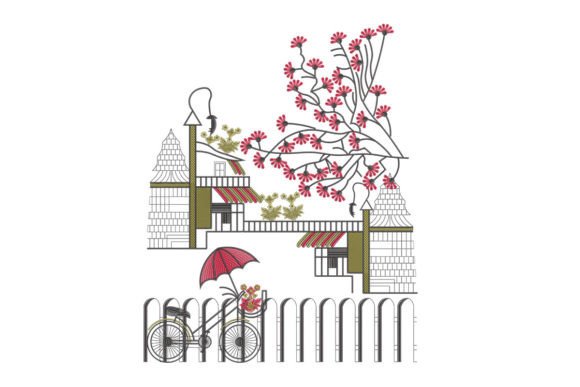
Let me start by saying that, as someone who stitches for clients and my own small shop, a new design file arrives with a mix of excitement and scrutiny. It’s not just about aesthetics; it’s about practical application. Will it stitch cleanly? Will it resonate with customers? Does it have that lasting visual appeal that makes a handmade product feel special? Opening the Bicycle in Floral Street embroidery design, my first impression was immediate: this is a charming, narrative piece. It’s not a simple graphic; it’s a scene. The classic bicycle frame, intertwined with delicate, leafy florals, creates a mood of gentle nostalgia and rustic elegance. It feels quietly artistic, not loud or trendy, which I find promising for a wide range of projects.
The Natural Home for This Design: From Totes to Tea Towels
I immediately pictured this design on a natural canvas tote bag. The scene’s composition—a central object framed by organic elements—is perfect for a bag’s flat, prominent panel. It would elevate a simple tote into a boutique-quality item. But my mind didn’t stop there. This embroidery design has a soft, almost whimsical personality that also suits nursery decor, like a blanket corner or a pillow cover for a baby’s room. The floral elements from the Forest Trees category suggest a nature-inspired theme, making it ideal for kitchen linens—aprons and tea towels for a garden-themed set. For apparel, I’d lean towards relaxed styles: the chest of a linen button-up shirt, the back of a relaxed-fit sweatshirt, or a dedicated patch applied to a denim jacket. It doesn’t scream “athletic” or “corporate”; it whispers “creative” and “personalized.”
Where Bicycle in Floral Street Excels and Where to Proceed with Care
In real-life embroidery project situations, this design’s strength is its detailed illustration. The intertwining of the bicycle and flowers suggests lovely texture if stitched well. On a sturdy, non-stretch fabric like cotton duck or linen, with a good stabilizer, I expect the fill stitches for the basket and petals, and the potential satin stitches for the bicycle lines, to create a beautiful, tactile result. For a craft business selling personalized gifts, this offers high perceived value. A customer receiving a custom apparel item with this scene feels they’re getting a piece of art, not just a logo.
However, the detail level also calls for practical caution. On very small hoop sizes, the intricate lines and floral details might lose clarity, becoming a dense blob. I would not recommend this for a standard cap’s curved, small front panel unless the design file is explicitly optimized and tested for that. Similarly, on very textured fabrics like thick sweatshirt fleece or on dark fabric without careful thread color contrast planning, some of the finer elements could get lost. The design likely contains smaller corners and junctions in the bicycle frame—these areas need a machine’s clean stitching and proper tension to avoid pulls or jumps. For products needing frequent washing, like baby clothes or kitchen towels, ensuring the stitch density is not overly tight in areas will prevent premature wear.
Thinking Like a Customer: The Appeal of the Finished Product
When I evaluate a design for my small shop product line or for an Etsy seller client, I always step back and imagine the finished item in a customer’s hands. Bicycle in Floral Street has a giftable, storytelling quality. It’s not generic. Stitched onto a pillow cover as a wedding gift, or on a baby embroidery bib for a nature-loving family, it feels thoughtful and bespoke. This directly impacts buyer engagement and customer trust—it shows your handmade product has a considered design sense. For commercial embroidery applications, like a small boutique’s branded merchandise, it conveys a gentle, artistic brand personality rather than a harsh commercial one.
The visual appeal is high, but that appeal hinges on stitching clarity. A poorly executed version, with thread breaks or misaligned fills, would undermine the entire mood. Conversely, a clean stitch-out amplifies the elegance. This design can become a signature piece for a creative entrepreneur, helping with brand consistency across a line of garden or vintage-inspired goods.
Essential Designer Notes Before You Stitch
Before loading this embroidery file for a real project, my professional routine kicks in. Always, always test the design on scrap fabric first. Use the exact fabric type you intend for the final product—is it a smooth quilting cotton for a tea towel, or a stretchy polo knit for a shirt? This test reveals everything: the true stitch density, how the small details render, and whether any thread color changes are awkward. Check thread color contrast meticulously. This scene likely has light and dark areas; stitching it on a black background requires a completely different color palette than on ivory.
Review hoop size requirements. While the product details may not specify exact dimensions, your machine software will. Ensure your planned item can accommodate the design’s physical stitch area. Inspect small details in the preview—are the bicycle spokes clear? Do the flower centers look defined? Use proper stabilizer for the fabric. This is non-negotiable for a detailed design like this.
A smart step for digital product sellers or those creating printable mockups is to test it in black and white mockups to see how the silhouette reads, and compare light and dark fabric backgrounds in your previews. This helps customers visualize the final result. Crucially, check whether the design works for both personal and commercial projects and confirm licensing before selling finished items or digital products. The provided description mentions it can transform fabric into art, but the legal rights to resell that art are separate. Never assume.
Finally, while the description suggests adding elegance to your clothing, remember that execution is everything. This machine embroidery design has the potential to be a standout embroidered patch or a beautiful tote bag design. But its success depends on your preparation. Match it with the right project—a stable fabric, a sizeable application area, and a product concept that benefits from its nostalgic, floral charm. When you do, Bicycle in Floral Street truly can elevate your style and add that touch of personality it promises.