Rainbow Tiger Embroidery: A Designer's Honest Review
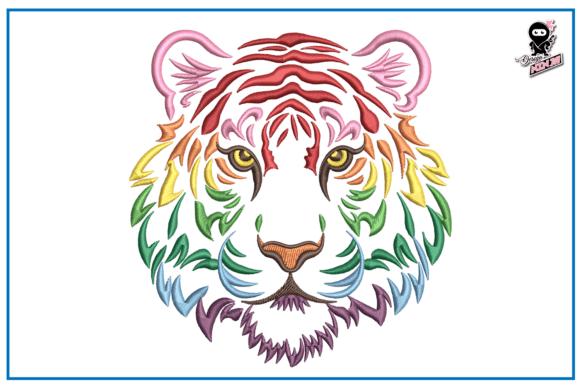
When you’re browsing for a new embroidery design to use in a client project or for your own handmade products, it’s the visual personality that first catches your eye. The Rainbow Tiger design does exactly that. It’s not just another wild animal motif; it’s a statement piece. The theme blends boldness with a playful, colorful twist, creating a mood that is both fierce and joyful. From a design perspective, the layout feels balanced, with a level of detail that suggests it will translate well into stitch form without becoming a muddy mess of thread. My first impression was that this isn’t a design for a subtle accent—it’s a centerpiece.
Where This Design Finds Its Natural Home
In practical terms, the Rainbow Tiger embroidery design feels destined for projects where you want to make a vibrant, memorable impact. Imagine applying this to a custom tote bag for a boutique. The bold shapes and implied color palette would create a product that stands out at a craft fair, instantly communicating a sense of creative energy. For a small shop product, like an embroidered sweatshirt, this design has the kind of visual appeal that can elevate a simple garment into a valued, giftable item. It would also shine as a focal point on a pillow cover for nursery decor, adding a unique, modern twist to a child’s room.
The design’s personality leans toward celebration and individuality. It’s perfect for personalized gifts, like a birthday present for someone with a vibrant spirit, or as a special wedding gift for a couple who loves bold art. As an embroidery file intended for machine embroidery, its success hinges on how it’s applied. I’d naturally gravitate toward using it on stable, medium-weight fabrics where the details can hold their clarity: cotton twill for tote bags, mid-weight sweatshirt fleece, or linen for pillow covers.
Navigating the Real-World Stitching Considerations
Let’s walk through a real-life scenario. I’m preparing a custom embroidered denim jacket as a boutique product. The Rainbow Tiger design is my chosen artwork. My immediate practical thoughts turn to execution. On a darker fabric like denim, the thread color contrast will be paramount. Those rainbow elements need to pop, so a thoughtful thread selection is crucial. The stitch density, especially in areas that might represent the tiger’s stripes or colorful accents, needs to be checked on scrap fabric first to ensure it doesn’t become too dense and stiff, which could distort the fabric or make the jacket uncomfortable.
For any machine embroidery design, the hoop size matters. Given the likely scale needed to appreciate the details, I wouldn’t try to squeeze this into a very small hoop. It needs space to breathe. On textured fabrics or stretchy fabrics like t-shirts, using the correct stabilizer is non-optional; a design with this potential complexity could easily puckered or distort on thin fabric without proper support. Similarly, on curved surfaces like caps, the larger, filled areas would require careful placement and hooping to avoid registration issues.
Design Choices That Affect Your Finished Product's Value
How an embroidery design performs directly influences the perceived value of your handmade product. When a design stitches out cleanly, with crisp satin stitches and clean fill stitch areas, it builds customer trust. It looks professional. The Rainbow Tiger, if executed well, has the potential to become a signature item for a craft business. Its unique theme aids in recognition—customers remember a vivid rainbow tiger on an apron or a kitchen towel. This recognition translates directly into buyer engagement, whether in an Etsy listing or on a physical product at a market.
For commercial embroidery or for small business owners selling finished products, the clarity of the design affects brand consistency. If you’re creating a line of embroidered patches featuring wild animals, this design could be a standout hero piece that defines your brand’s playful and high-quality aesthetic. Its giftability is high because it feels special and custom-made, not generic. However, this all depends on the final stitchout. Tiny lettering (if present) or extremely detailed corners could be points of failure if not tested, potentially undermining that professional presentation.
A Designer's Practical Notes Before You Hoop
Before you commit this design to a client’s project or your own merchandise, here are my grounded, friendly recommendations. Always, always test the Rainbow Tiger embroidery design on a scrap of your intended fabric first. This tells you everything: how the thread colors interact with the background, whether small details like eyes or intricate patterns stitch out clearly, and if the overall stitch density is appropriate for the fabric weight.
I also advise checking it in both black and white printable mockups, or simply imagining it on both light and dark fabric backgrounds. This helps you visualize its versatility as a digital embroidery file for various applications. Confirm the necessary hoop size for your machine and project. While the product category is wild animals and the type is embroidery, specific details like exact file formats or licensing for commercial use aren’t provided in the description I saw. It is essential to verify the licensing terms before selling finished items or digital products derived from the design to ensure it’s permitted for commercial embroidery.
For apparel decorators, consider the product’s lifespan. An item like a baby embroidery on a blanket or a holiday embroidery on a tea towel needs to withstand frequent washing. A design with very dense stitching might be less durable over time on thinner fabrics. For a more robust application, like an embroidered patch that can be applied to a bag, this concern is minimized.
The Final Judgment: A Confident Asset for Creative Projects
In summary, from the point of view of someone who turns embroidery designs into real products daily, the Rainbow Tiger design presents a strong opportunity. Its visual personality is bold and engaging, suitable for projects where you want the embroidery to be the conversation starter. It naturally fits into a range of applications from custom apparel to home decor, particularly where the fabric base is stable and the scale is generous enough to showcase its details.
Its performance in real-life embroidery situations will hinge on your preparatory work—testing, stabilizing, and thoughtful fabric selection. When handled with that practical care, it can significantly boost the visual appeal and perceived value of your finished product. For makers, Etsy sellers, and creative entrepreneurs, it’s a design asset that feels both fun and professionally viable, capable of enhancing your craft business offerings with a memorable, colorful piece. Just approach it with the same thoughtful scrutiny you would any key component of your handmade work, and it will likely reward that effort with a stunning stitched result.