Evaluating a Redwork Cross Design for Boutique Sweatshirts
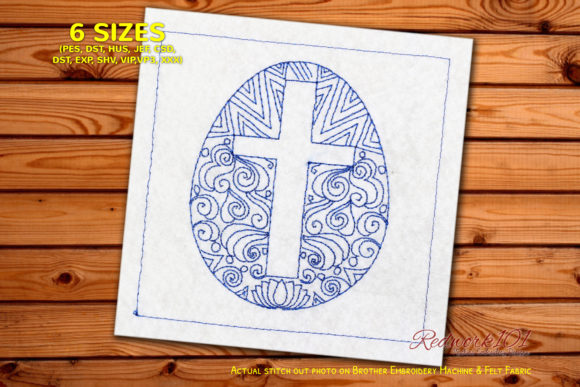
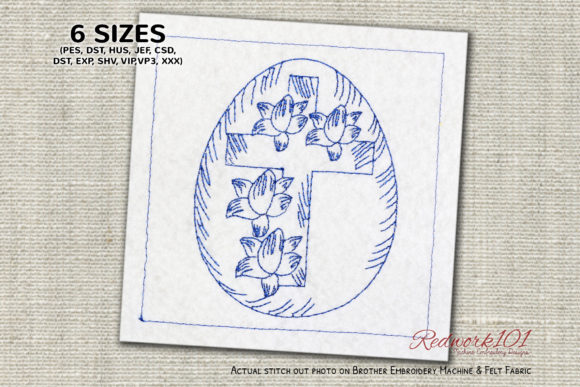
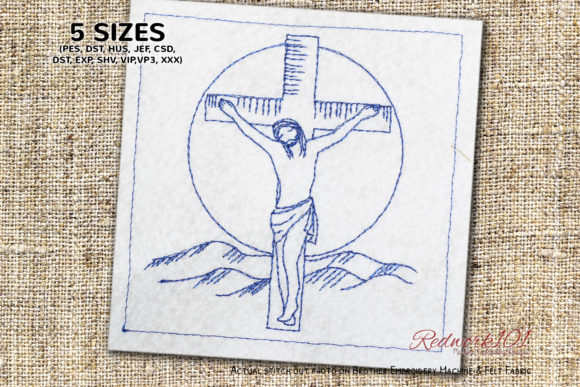
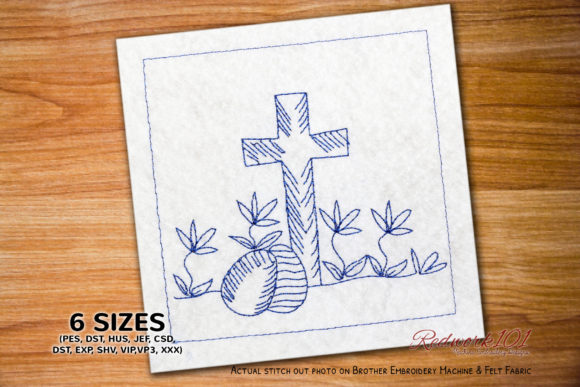
As an embroidery designer preparing a seasonal collection, the first thing I do is scrutinize a new design file. Today, I’m reviewing Christian Cross with Easter Eggs Redwork for a potential premium sweatshirt drop. This design’s title immediately tells me its story: a classic symbol rendered in a specific, traditional embroidery technique. Redwork, characterized by its single-color stitching, offers a distinct personality. It’s inherently rustic and nostalgic, evoking a sense of handmade heritage, which is perfect for small brands aiming for that authentic, curated feel.
A First Impression: Mood and Layout
My initial reaction to Christian Cross with Easter Eggs Redwork is one of thoughtful simplicity. The combination of a central cross adorned with Easter eggs suggests a decorative yet meaningful layout. It feels both reverent and playful—a delicate balance. For a boutique brand, this duality is valuable. It can appeal to customers looking for seasonal, faith-inspired apparel without being overly bold or loud. The design leans feminine and decorative, but the clean lines of redwork could also give it a minimal, modern edge depending on the execution.
The detail level implied by “Easter Eggs” suggests there are elements to fill, likely with patterns or simple shading within the egg shapes. This is a crucial point for sweatshirt embroidery. Too much dense detail on a thick fabric like a sweatshirt can lead to a muddy appearance. However, redwork typically uses outline and fill stitches that aren’t overly dense, which is promising. The stitching personality should be clean and graphic, not textured or raised like a satin stitch. This means the finished product will have a flatter, more integrated look on the garment, which many customers prefer for a casual, cozy aesthetic.
Application on Seasonal Sweatshirt Styles
Let’s visualize this machine embroidery design on actual boutique merchandise. On a neutral sweatshirt—think oatmeal, cream, or light grey—the single-color stitching (presumably red, as per “Redwork”) will pop with beautiful contrast, creating a focal point that’s warm and inviting. On darker fabrics, like a navy or charcoal hoodie, that contrast becomes even stronger and more dramatic, elevating the design to a bold statement piece. For a truly seasonal collection, stitching it onto pastel sweatshirts (a soft pink, mint, or lavender) would lean into the “cute” and playful aspect of the Easter eggs, making for a cohesive, spring-themed product.
Placement is key for maximizing value. A standard chest placement on an oversized hoodie would be classic and highly wearable. Given the likely composition, it could also work beautifully as a sleeve accent or a smaller back design, offering versatility for the same embroidery file. This flexibility allows a small shop to create multiple products from one core asset—a sweatshirt, a zip hoodie, a crewneck—streamlining production and inventory.
Practical Production Considerations
When moving from preview to production, several technical concerns come to mind. First, thread color contrast is already defined by the redwork technique, but I’d consider if a deep burgundy or a brighter scarlet better matches my brand’s palette for this collection. Stitch density needs to be assessed; a design with many small details must be tested on a scrap of sweatshirt fabric to ensure clarity. Sweatshirt material is thick and has a pronounced texture, so choosing the right stabilizer is non-negotiable for a clean, puckering-free result.
We must also consider hoop size and small-size readability. If a customer requests a smaller version for a child’s sweatshirt or a pocket detail, do the Easter egg details remain clear? A test run is essential. Washing durability for commercial apparel use is another checkpoint. Redwork, often using running stitches or backstitches, can be very durable if the file is well-digitized with proper underlay and stitch paths. I would need to verify the file’s construction to feel confident it’s strong enough for repeated wear and care.
A note here: the product description mentions “The Box Stitch shown in the picture is optional.” This is an interesting customization point. Adding a box stitch border in a contrasting thread color could frame the design, making it feel more finished and intentional on the garment, especially for a premium presentation. It allows the shop owner to adapt the digital embroidery file for different looks—minimal without the box, or more decorative and defined with it.
Building Brand Identity and Customer Trust
Using a cohesive design like Christian Cross with Easter Eggs Redwork across a limited drop does more than just sell sweatshirts; it builds brand identity. For a small shop focusing on handmade or faith-inspired products, this design reinforces that niche. In lifestyle product photography—the sweatshirt draped over a basket of spring flowers, worn on a leisurely walk—it tells a visual story that engages customers beyond a simple product listing.
For Etsy sellers and creative entrepreneurs, offering such a design on high-quality, cozy seasonal apparel increases perceived product value. It shows thoughtful curation. A well-embroidered, clean design speaks to quality execution, fostering buyer trust. The handmade presentation, literally stitched into the garment, adds a layer of artistry that mass-produced prints cannot. This enhances visual recognition; customers remember your brand for its specific, well-crafted aesthetic.
Final Thoughts for the Boutique Workflow
Before finalizing this for my collection, I would create printable mockups to see how it lays out on various sweatshirt mockup previews. I’d stitch it out on several fabric types to confirm the results. The description reminds us that specific details like exact stitch count or file formats aren’t provided here, so a thorough check of those design assets from the digitizer is a mandatory step before any production run.
In conclusion, Christian Cross with Easter Eggs Redwork presents a compelling option for a boutique’s Easter or spring-themed custom apparel. Its redwork technique offers a rustic, premium feel that can be adapted from casual to bold depending on fabric color and placement. By addressing the practical concerns of fabric texture and stitch application, a small brand can confidently transform this file into a range of desirable, durable handmade products that resonate with their audience and strengthen their market presence.