An Honest Review of the Cute Cat Embroidery Design
As a professional embroidery designer who works with clients daily, I'm always evaluating new designs for their real-world potential. When considering a design for a custom order—say, a baby blanket for a boutique or a tote bag for a craft fair stall—I look beyond its charm. I need to know how it stitches, how it wears, and how it ultimately looks on a finished product. So, when I came across the Cute Cat embroidery file on Creative Fabrica, I examined it with that lens: could this be a reliable design for my handmade business?
First Impression: A Design Built for Handmade Appeal
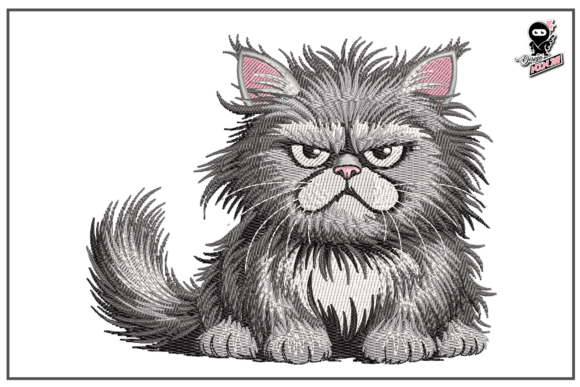
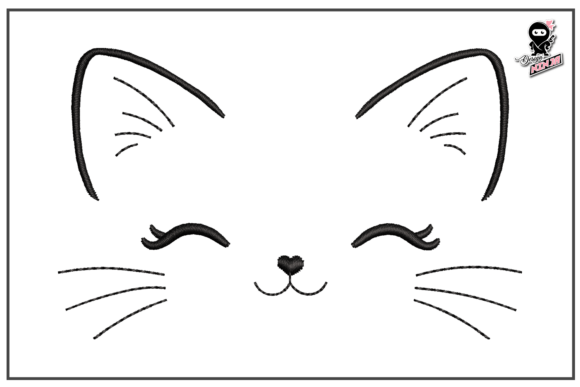
The initial mood of Cute Cat is exactly what its name suggests: playful and approachable. It leans into a decorative, friendly aesthetic rather than a hyper-realistic one, which is a smart choice for many handmade markets. This personality makes it a natural fit for gifts and personalization. Visually, it promises good detail without being overwhelmingly dense, suggesting it would translate well to items like pillow covers, aprons, or kitchen towels meant to add a cozy, cheerful touch. For an Etsy seller or small business owner, this kind of design often resonates because it feels warm and crafted, not mass-produced.
Performance in Real Embroidery Projects
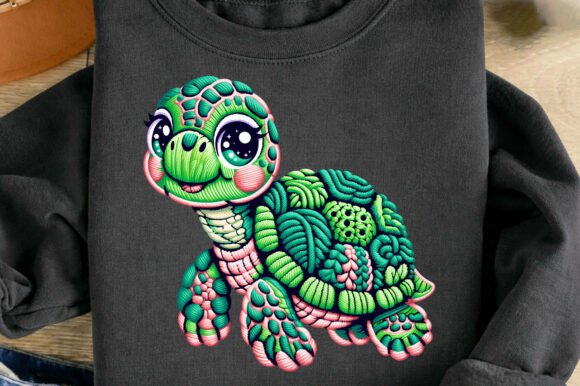
In practice, a design's appeal is only as good as its execution on fabric. For Cute Cat, I considered several typical applications. On custom apparel like sweatshirts or children's tops, a design with balanced detail can hold up well on stretchy fabrics if paired with the correct stabilizer. For tote bags and caps, the curvature and texture of the material demand a design that isn't too intricate in tiny areas, which Cute Cat seems to avoid. Its style also lends itself beautifully to baby items and nursery decor, where a softer, less formal image is preferable.
Thinking about commercial embroidery or producing patches, the stitch density is a key factor. Designs with overly dense fill stitch areas can be tough on machines and fabric over time. Without knowing the exact stitch count from the product description, a cautious approach is wise. I would strongly advise testing Cute Cat on scrap fabric first, especially if planning to run it on dark fabric where thread color contrast becomes critical for the design's visibility and charm.
Practical Considerations for a Smooth Stitch Out
Before committing this design to a customer's order, there are several technical checks any experienced designer should make. First, confirm the hoop size requirement. While the product description mentions it's a machine embroidery design, the specific minimum hoop isn't stated. For projects like baby blankets or pillow covers, you often have flexibility, but for caps or smaller patches, knowing the required hoop is essential. Second, examine the file for small details like potential tiny lettering or layered elements. These can become lost or puckered if not stitched with precision on textured fabric.
A universal best practice is to review stitch density by stitching a sample. This tells you if the design is suitable for lightweight fabrics like towels or if it needs a heavier stabilizer for sweatshirt material. Furthermore, always compare light and dark fabric mockups mentally, or better, digitally, before choosing thread colors. The visual appeal of Cute Cat on a finished product depends heavily on this contrast.
Affecting Product Value and Customer Trust
From a business perspective, using a well-executed design directly impacts your product's perceived value. A clean, appealing stitch-out of Cute Cat on a handmade gift elevates its presentation. It shows care and quality, which builds buyer trust. For an Etsy listing or craft fair product, a sharp, cheerful embroidered cat can be the centerpiece of your product photography, driving customer engagement. It adds a layer of brand consistency if you specialize in whimsical, family-friendly items.
The giftability factor is high here. A tote bag or apron embroidered with this design feels personalized and thoughtful. It can also integrate into printable mockups for digital product sellers offering custom embroidery services, serving as a strong design asset to showcase potential creations. However, the final step that safeguards your business and your customer's satisfaction is unequivocal: confirm file details and licensing on the Creative Fabrica product page before selling any finished items. Understanding the license terms is crucial for commercial embroidery projects.
Final Thoughts for the Working Designer
The Cute Cat embroidery design from Creative Fabrica presents itself as a versatile, charming option for a range of handmade and commercial projects. Its decorative style fits naturally into the markets served by crafters, boutique owners, and apparel decorators. The key to its successful application lies in the standard professional precautions: test it, check its requirements, and plan its application thoughtfully.
For a real-case scenario—embroidering it on a customer's order for a seasonal handmade gift—I would proceed with confidence after a successful test on similar fabric. It has the visual appeal to enhance a product's story and the seemingly balanced construction to stitch out reliably. Remember, the product description is your starting point; your own testing and verification on scrap fabric are the final, essential steps to ensure Cute Cat becomes a beloved detail on your next creation.