A Faithful Embroidery Design for the Handmade Market
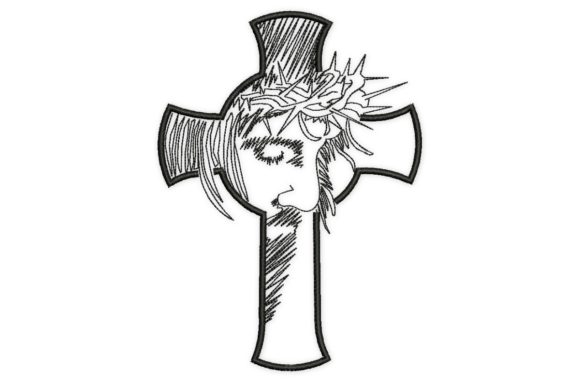
As an embroidery designer preparing for a weekend craft fair, I carefully review every design I plan to turn into products. Today, I’m looking at Jesus on the Cross, a design described as high-quality, fun and easy to stitch, and elegant on any fabric. My review focuses on real-world selling: where it stands out on a booth table, what makes it practical to produce, and how it catches a customer’s eye.
First Impression and Market Fit
The title Jesus on the Cross immediately sets a clear, reverent tone. For the Religion Faith category, this isn’t a cute or funny design; it leans elegant and decorative. In a booth surrounded by aprons, totes, and pillow covers, this design would anchor a section with a more solemn, premium feel. It’s not farmhouse or rustic; it’s a focal point design meant to convey depth and meaning. This isn’t an accent; it’s the main event.
For sellers targeting faith-based communities, boutique makers, or those selling in regions where such symbolism is valued, Jesus on the Cross has inherent appeal. It speaks directly to a specific audience, which is a powerful selling tool at a craft fair. Customers notice it not just as a pattern, but as a statement.
Product Application: Where It Shines
Let’s walk through my imaginary booth display. I need to decide which products give Jesus on the Cross the best chance to sell and look gorgeous, as the description promises.
Strong Candidates for Embroidery
Given its likely detailed nature, some products will showcase it better than others.
- Tote Bags and Market Bags: A larger, flat surface is ideal. A tote bag allows the design to be seen fully, making it a dignified, usable handmade product. The elegance described translates well to a bag someone might carry regularly.
- Pillow Covers: In a home setting, an embroidered pillow cover with this design becomes a decorative, comforting item. It’s a strong giftable option.
- Wall Hangings or Hoop Art: While not listed, framing the embroidered piece itself could be a premium small shop product.
- Aprons: For a kitchen apron, the design would need to be placed centrally, like on the bib. It could feel respectful and personal for someone who values their faith in daily tasks.
Products Requiring More Consideration
Other items might present practical challenges.
- Caps: The curved surface of a cap is tricky. Tiny details or small lettering within Jesus on the Cross might lose clarity. I’d only attempt this if the embroidery file is proven to stitch cleanly on curved fabrics.
- Tea Towels: Textured towels can disrupt fine lines. A simpler, bold version of the design might work, but if it’s densely stitched, the texture could fight the image.
- Small Pouches: Scale is key. If the design is large, it might overwhelm a pouch. If it can be scaled down cleanly, it could be a delicate, personal item.
- Patches: An embroidered patch is a great versatile product. However, dense stitch areas could make the patch very stiff. I’d need to check the stitch density in the file.
Practical Production and Selling Points
Turning a digital embroidery file into a sellable craft fair product requires hands-on testing.
Before Hooping Anything for Sale
My professional notes for producing Jesus on the Cross commercially would include:
- Test on Scrap Fabric First: Always stitch the design on a scrap of the actual fabric you’ll use—be it cotton for a tote or linen for a pillow. This reveals how the “any fabric” claim holds up.
- Check Thread Contrast: On dark fabric, the design must be stitched with light, bright threads to maintain clarity. I’d test a version on a dark bag to ensure it stays “gorgeous.”
- Review Spacing and Hoop Size: The description doesn’t specify a hoop size. I must confirm the file fits my intended hoop for each product. A design meant for a 5x7 hoop won’t work on a large tote without adjustments.
- Inspect Stitch Density: High stitch density can puckering on lightweight fabrics like tea towels. It also uses more thread and time, affecting batch production speed.
- Use the Right Stabilizer: For thicker fabrics like bag canvas or textured towels, choosing the correct stabilizer is crucial to keep the design smooth.
- Create One Real Mockup: Before batch production, make one finished product—a tote bag or pillow—to see it in context. Does it feel elegant? Does it look handmade and high-quality?
- Compare Fabric Colors: Stitch the design on a few different fabric colors to offer variety at the fair. A cream background might feel soft and traditional, while black could feel bold and modern.
- Confirm Commercial Licensing: The description mentions it comes with multip. I must read the full details to confirm I can use this machine embroidery design for commercial embroidery products I sell.
Visual Appeal and Booth Impact
At the craft fair, Jesus on the Cross affects the booth in several ways.
Customer Attention: It will draw a specific customer. Someone looking for faith-based items will stop. It creates a focal point in the display. Placing it on a well-made tote bag at the front of the table can act as a powerful sample.
Product Value Perception: An elegant, well-stitched version on a premium product (like a linen pillow) increases perceived value. It feels less like a casual craft and more like a meaningful heirloom piece. This supports a higher price point.
Handmade Quality: The “fun and easy to stitch” description suggests it’s approachable, but the final look must still showcase skill. Clean stitching with no puckering proves handmade quality to buyers.
Booth Display Strength: Mixing products with this design creates cohesion. A display with Jesus on the Cross on a tote, a pillow, and a wall hanging tells a story. It shows the design’s versatility and appeals to different buying needs—utility, home decor, and art.
Photographing for Online Sales
For my Etsy seller friends or those using printable mockups in listings, this design needs careful photography. Details must be sharp. Photos should show the texture of the stitches. A close-up shot is essential to prove the “high-quality” claim. Listing it under Religion Faith and Embroidery helps with SEO, but the images must convince. Stitching it on a neutral background for photos ensures the design itself is the star.
Batch Production Considerations
Is Jesus on the Cross repeatable for making twenty tote bags for the fair? That depends on stitch time and detail. If it’s truly “easy to stitch” and doesn’t have excessive detail, batch production is feasible. If it’s dense and takes forty minutes per bag, I might limit stock. I’d balance it with simpler, faster-making craft fair products to ensure my booth has enough inventory.
Finally, the description says it “will look elegant and gorgeous when stitched onto any fabric.” My job as a designer is to verify that promise through testing. By choosing the right products—like totes and pillows—and following careful production steps, Jesus on the Cross can become a respected, sellable part of a handmade market offering, connecting with customers through both craft and meaning.